Face / Neck Hair
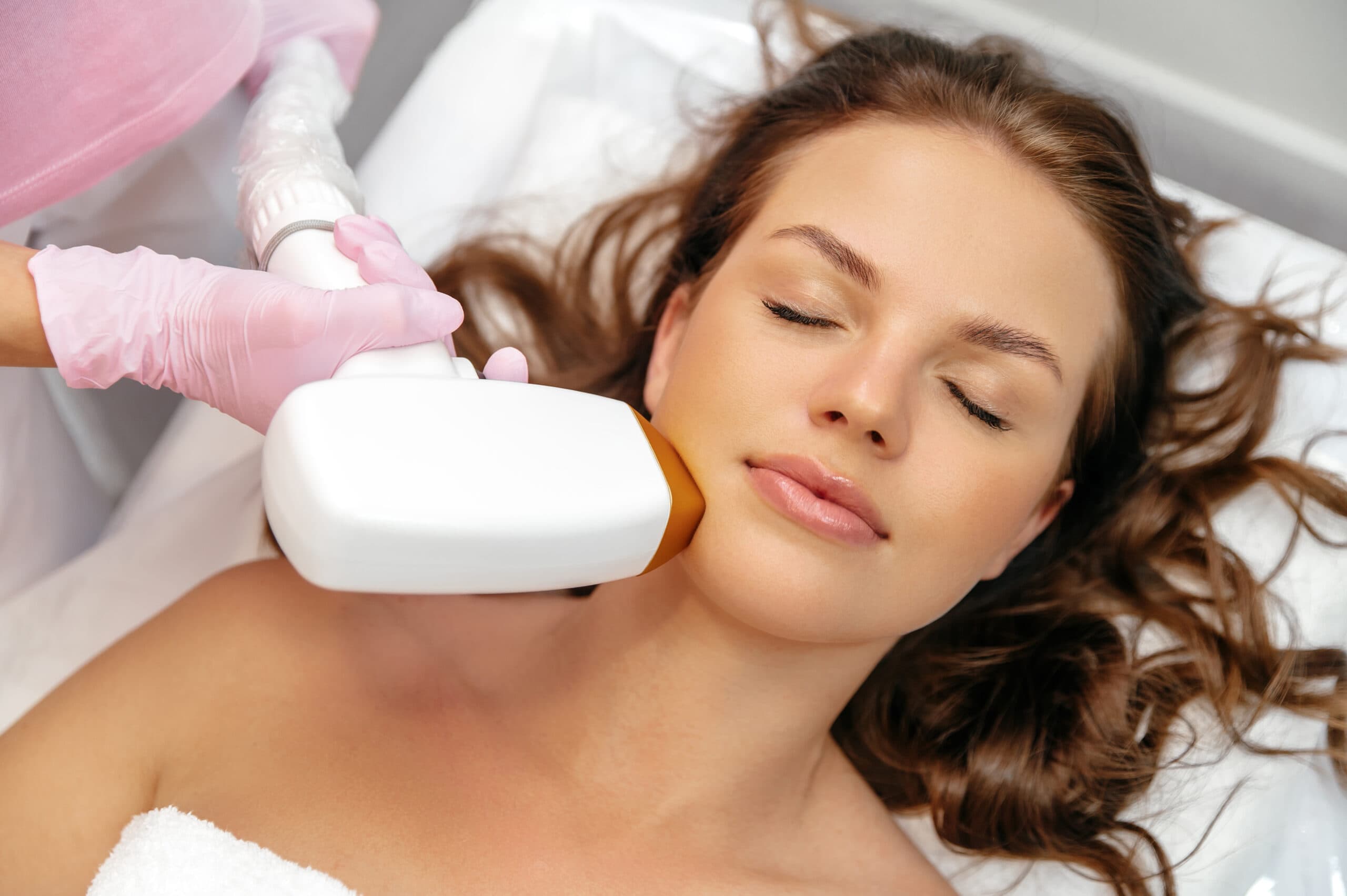
Precision laser hair removal and hormonal management to eliminate unwanted facial and neck hair safely and effectively.
Understanding Face / Neck Hair
Unwanted facial or neck hair can cause self-consciousness, frequent grooming, and skin irritation from plucking or threading. Dermakācā uses ultra-safe facial lasers and hormonal evaluation to provide lasting hair reduction while protecting delicate facial skin.
What Causes Face / Neck Hair?
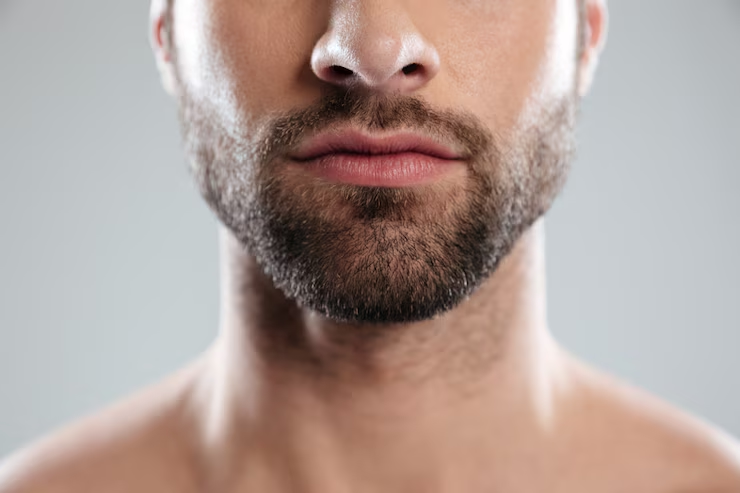
Hormonal fluctuations (PCOS, thyroid), genetics, and certain medications can trigger excessive facial hair growth (hirsutism) in women. Men may seek laser for cleaner necklines or beard shaping.
Benefits of Treatment
• Smooth, hair-free skin with reduced shadow • Elimination of razor bumps and folliculitis • Even skin tone and makeup application • Time saved on daily hair-removal routines
Our Approach to Face / Neck Hair
We use gentle diode or Alexandrite lasers with small spot sizes for precise facial work. If hormonal issues are detected, our dermatologists collaborate with endocrinologists for medical management.

Enquire about Face / Neck Hair
Related Treatments
Profhilo for Anti-Aging
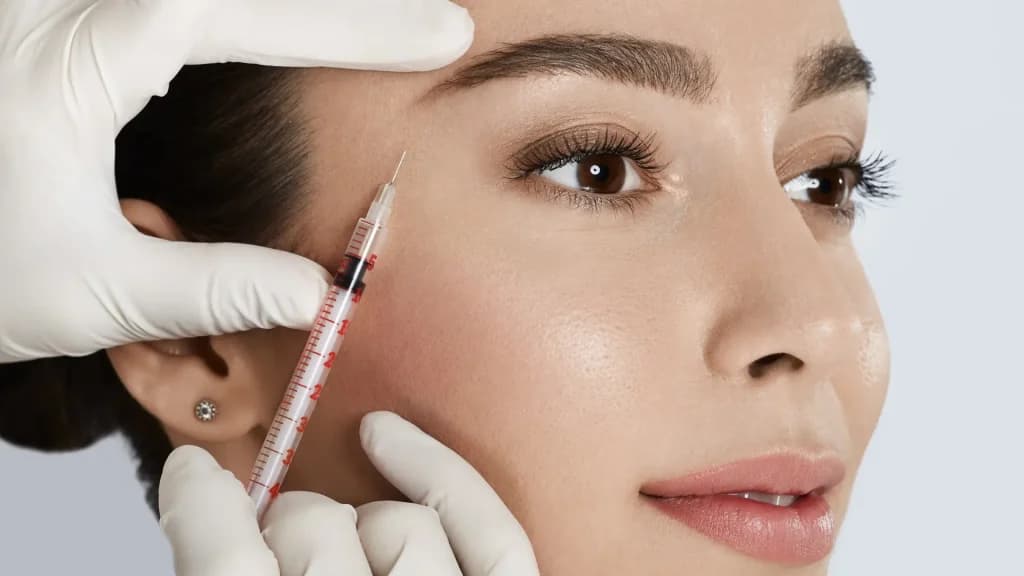
Experience deep skin rejuvenation with Profhilo – a next-generation injectable bio-remodelling treatment designed to restore hydration, firmness, and elasticity for youthful, glowing skin.
Learn more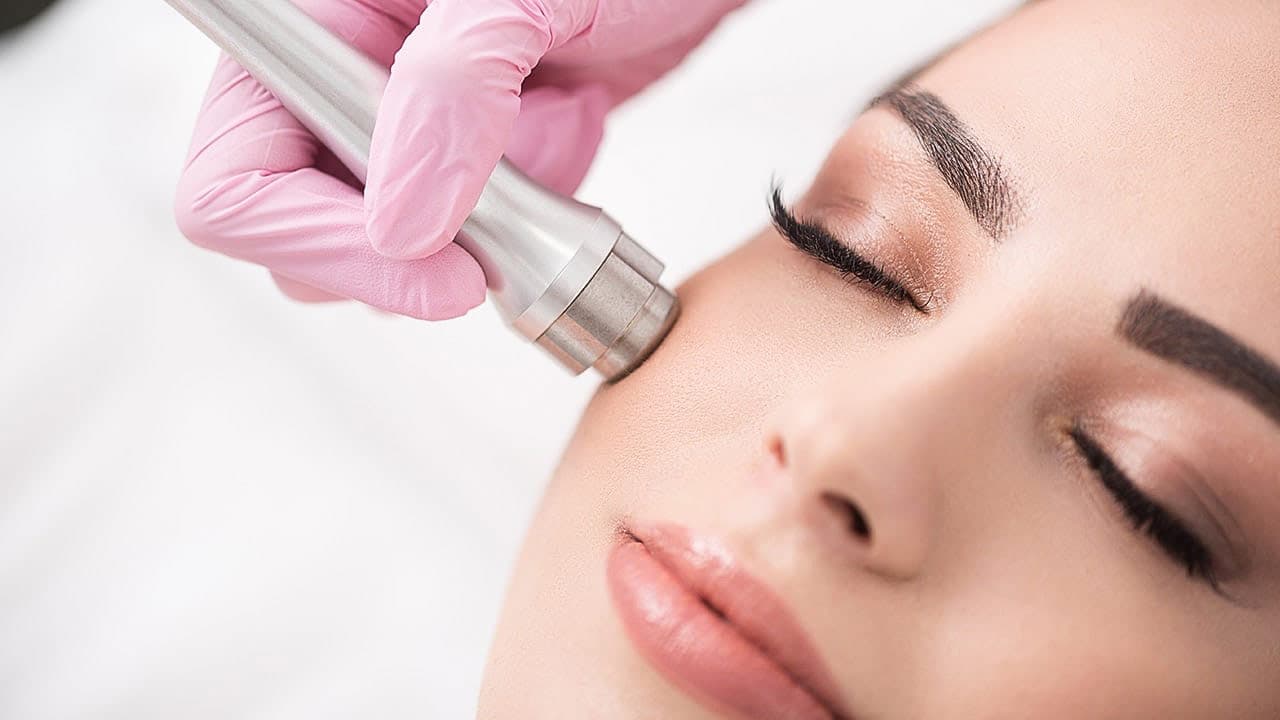
Microdermabrasion for Body
Microdermabrasion for the body is a non-invasive cosmetic treatment designed to exfoliate the skin, improve its texture, and rejuvenate its overall appearance. It is particularly effective for addressing rough patches, uneven skin tone, acne scars, stretch marks, and dullness on large body areas such as the back, arms, legs, and chest. This safe and gentle procedure stimulates cellular turnover, leaving the skin smoother, brighter, and visibly healthier.
Learn more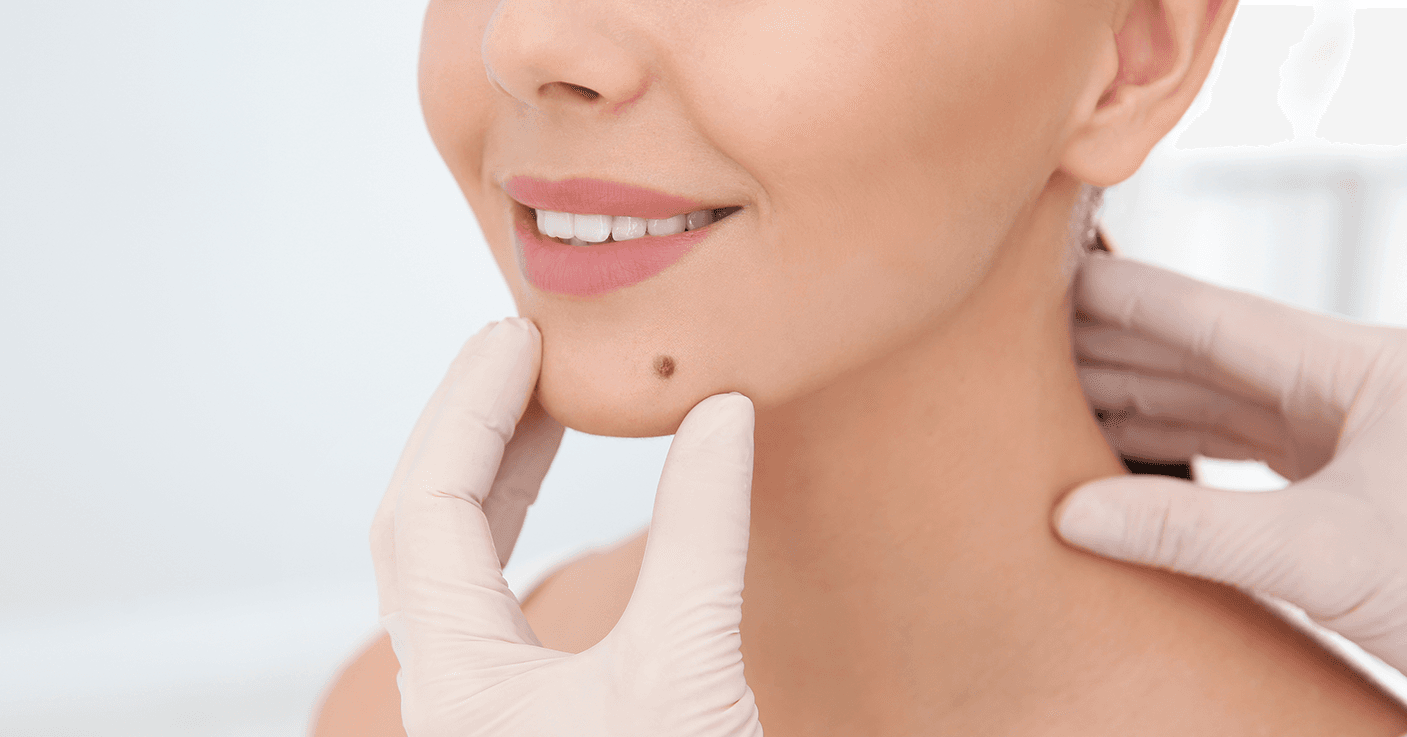
Tag / Wart / Mole Removal
Tag, wart, and mole removal procedures are dermatological treatments aimed at eliminating unwanted skin growths for cosmetic or medical reasons. Various methods are employed based on the type, size, and location of the lesion.
Learn more